
Becoming More Connected Through Shared Public Witness
Bishop Sue Briner

One of the unexpected gifts of serving as bishop has been watching our synod become more connected—not only with one another, but with Christians from other denominations and with neighbors from other faith traditions.
Those relationships have grown in many different ways. Some have emerged through our full communion partnerships with churches like the United Methodist Church. Others have developed through companion synod relationships, disaster response, immigration ministry, or community organizing. Still others have grown through organizations like Texas Impact, where people of many faith traditions come together around concerns we share.
Each relationship has reminded me that God’s mission is always bigger than any one congregation, denomination, or faith community.
During the past month, those relationships became visible in two very different public gatherings.
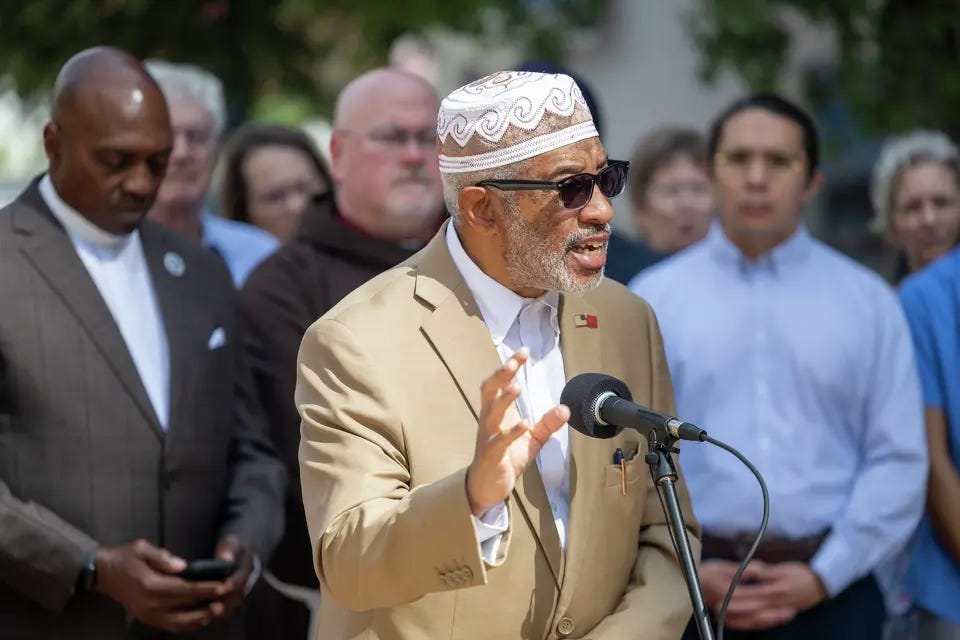
In early July, members of our synod staff joined clergy from the Roman Catholic Church, the African Methodist Episcopal Church, the United Methodist Church, Jewish and Muslim communities, and many others in San Antonio to affirm a simple but important conviction: every eligible voter should be able to cast a ballot free from intimidation, and every vote should be counted. The gathering was part of the national Faith in Us initiative, an ecumenical and interfaith effort to strengthen civic trust and encourage faithful participation in public life. Brother Chris Markert represented our synod in that witness, reminding those gathered that protecting public trust is not about partisanship, but about peace, truth, and the common good.
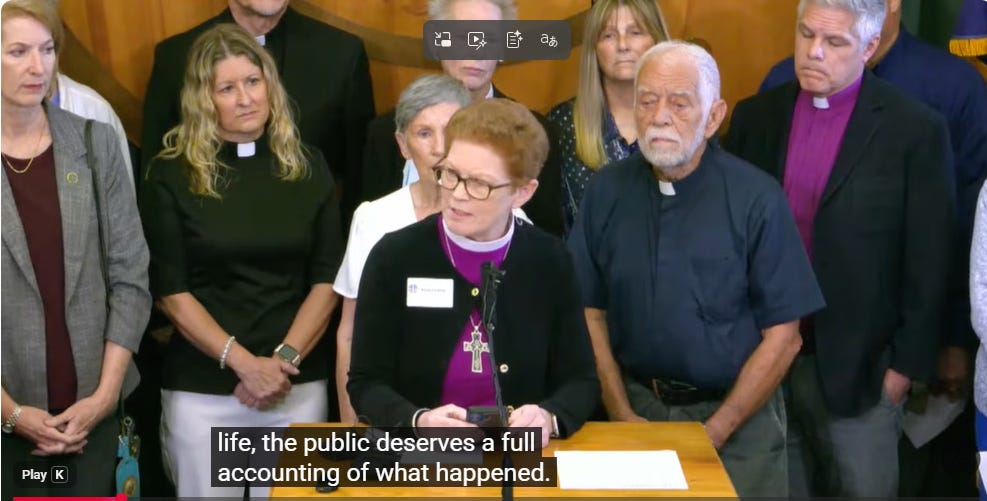
Just two weeks later, I had the privilege of joining Christian leaders from across Texas at the State Capitol in Austin following the tragic death of Lorenzo Salgado Araujo. Together we called for truth, transparency, accountability, and policies that honor the God-given dignity of every human being. While that gathering included Christian leaders rather than the broader interfaith coalition present in San Antonio, it reflected the same spirit of shared witness and shared responsibility.
What struck me about both gatherings was not simply the issues we addressed. It was the relationships that made them possible.
Again and again, I have discovered that these relationships are not simply opportunities for us to contribute. They are gifts through which God continues to shape us.
Over time, our synod has intentionally invested in relationships with Christian leaders from other denominations and with leaders from other faith traditions. We don’t agree on everything, nor should we expect to. But we have discovered that we share a deep commitment to the dignity of every human being and the well-being of our communities. When opportunities arise to bear witness together, we already know one another well enough to say, “Yes, let’s do this together.”
A recent Sojourners article reflected on this growing movement across the country. It described pastors, bishops, and other faith leaders discovering that they are stronger together than apart, and that relationships built over time become a source of courage when communities face fear, violence, or uncertainty.
As I read the article, I realized that this is exactly what I have been witnessing here in Texas.
When we began cultivating deeper relationships with our AME siblings, our United Methodist partners, our companion synod in Costa Rica, and so many others, we weren’t simply creating partnerships. We were becoming the Body of Christ in a fuller way. We were learning to recognize the gifts God has entrusted to one another and discovering that we are stronger when we walk together.
Again and again, I have discovered that these relationships are not simply opportunities for us to contribute. They are gifts through which God continues to shape us.
Perhaps this is one more way God is calling us to become—not by becoming more alike, but by becoming more connected.
Jesus prayed that his followers “may all be one... so that the world may believe” (John 17:21). I don’t believe Jesus was asking us to erase our differences. Rather, I believe he was inviting us into relationships that bear witness to God’s reconciling love. When Christians and people of other faith traditions stand together in service of our neighbors and the common good, we offer the world a glimpse of that love.
As we continue Becoming More Connected, my prayer is that we will keep investing in these relationships—not only because they enrich our own faith, but because they prepare us to love and serve God’s world together.
Every new relationship is another thread in the fabric of God’s beloved community. As we become more connected—to Christ and to one another—we become better equipped to love and serve God’s world together.
Love,
+Bishop Sue Briner
En Proceso de Conectarnos Más: A través del testimonio público compartido
Uno de los regalos inesperados de servir como obispa ha sido ver cómo nuestro sínodo se ha ido conectando cada vez más, no solo entre nosotros mismos, sino también con cristianos de otras denominaciones y con vecinos de otras tradiciones de fe.
Estas relaciones han crecido de muchas maneras. Algunas han surgido a través de nuestros acuerdos de plena comunión con iglesias como la Iglesia Metodista Unida. Otras se han fortalecido mediante nuestras relaciones con el sínodo compañero en Costa Rica, el trabajo de respuesta a desastres, el ministerio con personas migrantes o la organización comunitaria. Y otras han florecido por medio de organizaciones como Texas Impact, donde personas de diversas tradiciones religiosas se reúnen para trabajar por el bien común.
Cada una de estas relaciones me ha recordado que la misión de Dios siempre es más grande que cualquier congregación, denominación o comunidad de fe.
Durante el último mes, esas relaciones se hicieron visibles en dos acontecimientos públicos muy diferentes.
A principios de julio, miembros del personal de nuestro sínodo se unieron a líderes de la Iglesia Católica Romana, la Iglesia Metodista Episcopal Africana (AME), la Iglesia Metodista Unida, comunidades judías y musulmanas, y muchas otras tradiciones religiosas en San Antonio para afirmar una convicción sencilla, pero profundamente importante: que toda persona con derecho a votar debe poder hacerlo sin intimidación y con la confianza de que su voto será contado. Este encuentro formó parte de la iniciativa nacional Faith in Us, un esfuerzo ecuménico e interreligioso para fortalecer la confianza pública y promover una participación fiel en la vida cívica. Nuestro propio Hermano Chris Markert representó al sínodo, recordando a los presentes que proteger la confianza pública no tiene que ver con el partidismo, sino con la paz, la verdad y el bien común.
Dos semanas después, tuve el privilegio de unirme a líderes cristianos de todo Texas en el Capitolio estatal, en Austin, tras la trágica muerte de Lorenzo Salgado Araujo. Juntos hicimos un llamado a la verdad, la transparencia, la rendición de cuentas y a políticas públicas que respeten la dignidad que Dios ha dado a cada ser humano. Aunque ese encuentro reunió principalmente a líderes cristianos, y no a una coalición interreligiosa como la de San Antonio, reflejó el mismo espíritu de responsabilidad compartida y de testimonio común.
Lo que más me llamó la atención en ambos encuentros no fueron solamente los temas que abordamos.
Fueron las relaciones que hicieron posible estar allí.
Con el paso del tiempo, nuestro sínodo ha decidido invertir intencionalmente en relaciones con líderes cristianos de otras denominaciones y con personas de otras tradiciones religiosas. No estamos de acuerdo en todo, ni esperamos estarlo. Pero hemos descubierto que compartimos un profundo compromiso con la dignidad de cada ser humano y con el bienestar de nuestras comunidades. Cuando surge la oportunidad de dar testimonio juntos, ya existe la confianza necesaria para decir: “Sí, hagámoslo juntos.”
Recientemente, la revista Sojourners publicó un artículo sobre este creciente movimiento en distintas partes del país. Describía cómo pastores, obispos y otros líderes religiosos están descubriendo que son más fuertes cuando trabajan juntos, y cómo las relaciones construidas con el tiempo se convierten en una fuente de valentía y esperanza cuando las comunidades enfrentan el miedo, la violencia o la incertidumbre.
Mientras leía ese artículo, pensé: eso es exactamente lo que he visto suceder aquí, en Texas.
Cuando comenzamos a cultivar relaciones más profundas con nuestros hermanos y hermanas de la Iglesia AME, con nuestros socios metodistas, con nuestro sínodo compañero en Costa Rica y con tantas otras personas, no solo estábamos formando alianzas. Estábamos aprendiendo a ser el Cuerpo de Cristo de una manera más plena. Estábamos descubriendo los dones que Dios ha confiado a unos y otros, y aprendiendo que somos más fuertes cuando caminamos juntos.
Una y otra vez he descubierto que estas relaciones no son solamente oportunidades para ofrecer algo. Son también regalos por medio de los cuales Dios sigue transformándonos.
Tal vez esta sea otra forma en que Dios nos llama a estar en proceso: no a convertirnos en personas iguales, sino a estar cada vez más conectados.
Jesús oró para que sus seguidores “sean uno... para que el mundo crea” (Juan 17:21). No creo que Jesús estuviera pidiéndonos que borráramos nuestras diferencias. Más bien, nos invitaba a construir relaciones que dieran testimonio del amor reconciliador de Dios. Cuando cristianos y personas de otras tradiciones religiosas permanecemos unidos al servicio de nuestros vecinos y del bien común, ofrecemos al mundo un anticipo del Reino de Dios.
Mientras continuamos En Proceso de Conectarnos Más, mi oración es que sigamos cultivando estas relaciones, no solo porque enriquecen nuestra propia fe, sino porque nos preparan para amar y servir juntos al mundo que Dios tanto ama.
Cada nueva relación es un hilo más en el tejido de la comunidad amada de Dios. A medida que nos conectamos más con Cristo y unos con otros, estamos mejor preparados para amar y servir juntos al mundo de Dios.
Con cariño,
+Obispa Sue Briner